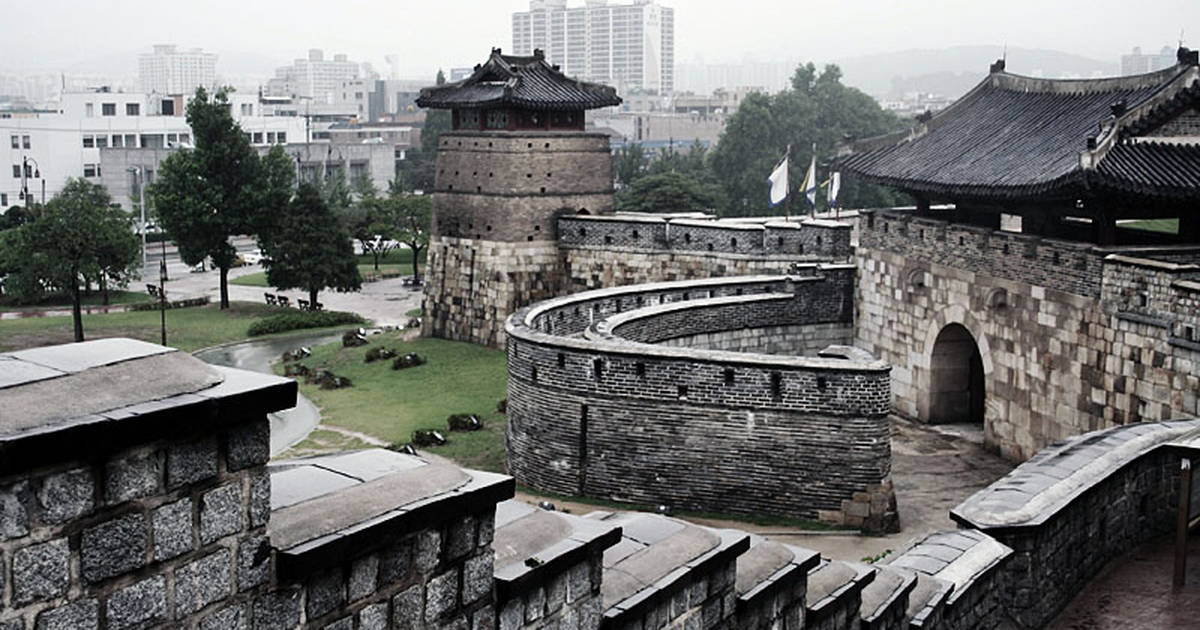
Hwaseong Fortress (1-2 Jangan-dong, Paldal-gu, Suwon, Gyeonggi-do) — Hwaseong Fortress or Suwon Hwaseong is a fortification surrounding the center of Suwon, the provincial capital of Gyeonggi-do, in South Korea. It was built from 1794 to 1796 by King Jeongjo of the Joseon dynasty to house and honor the remains of his father, Prince Sado. The […]
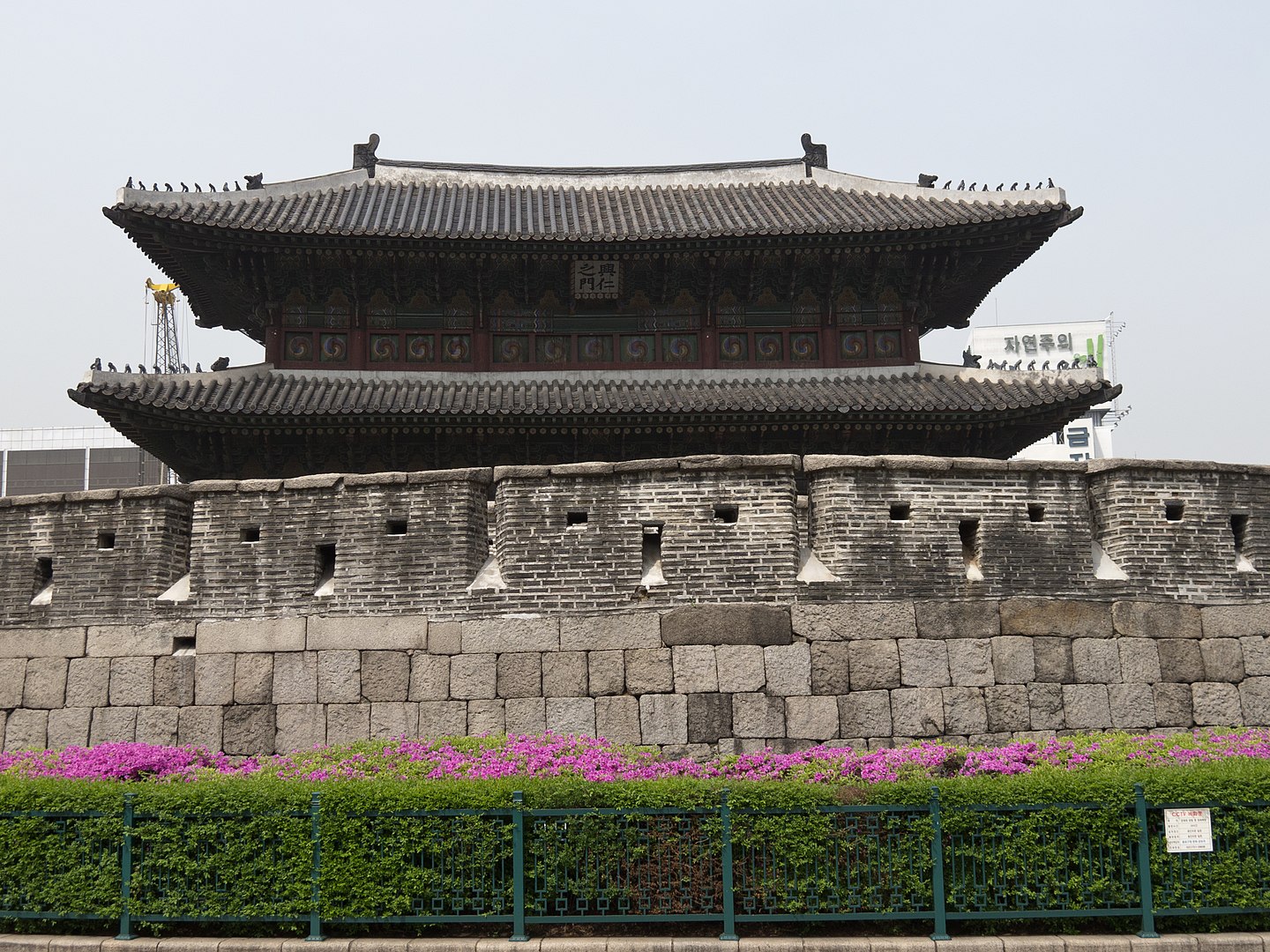
Heunginjimun (288 Jong-ro, Jongno 5(o).6(yuk)ga-dong, Jongno-gu, Seoul) — Heunginjimun, literally “Gate of Rising Benevolence” or more commonly known as Dongdaemun, is one of The Eight Gates of Seoul in the Fortress Wall of Seoul, a prominent landmark in central Seoul. During the Joseon Dynasty, Heunginjimun Gate was one of eight city gates along the historic […]
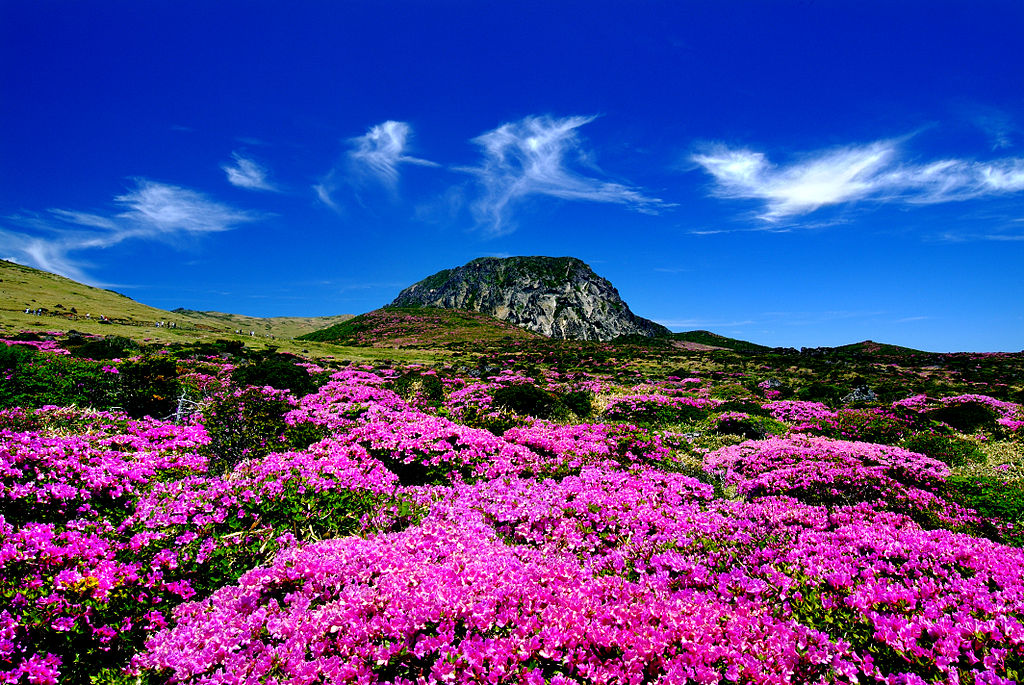
Hallasan (Jeju Island) — Hallasan is a shield volcano on Jeju Island of South Korea. It is the highest mountain in South Korea. The area around the mountain is a designated national park, the Hallasan National Park. Hallasan is commonly considered to be one of the three main mountains of South Korea, along with Jirisan […]
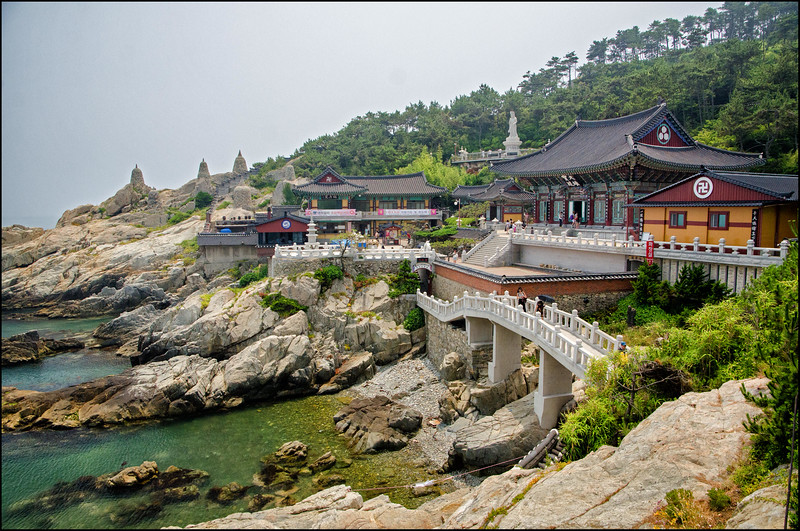
Haedong Yonggungsa (86 Yonggung-gil, Gijang-eup, Gijang, Busan) — Haedong Yonggung Temple is a seaside Buddhist temple in Gijang-gun, Busan, South Korea. The temple was built in 1376 by the teacher known as Naong during the Goryeo Dynasty, and was originally known as Bomun Temple. Unfortunately, the temple was destroyed by fire during the Japanese invasion […]
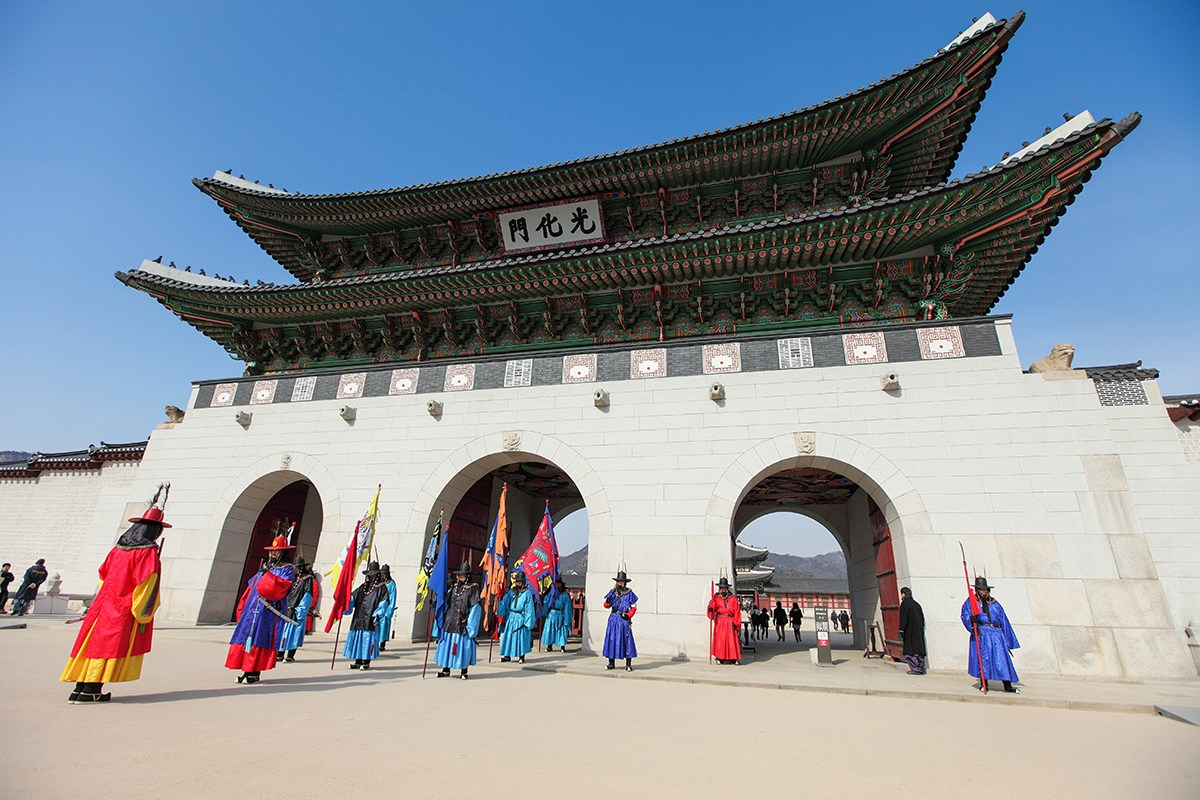
Gyeongbokgung Palace (161 Sajik-ro, Sejongno, Jongno-gu, Seoul) — Gyeongbokgung, also known as Gyeongbokgung Palace or Gyeongbok Palace, was the main royal palace of the Joseon dynasty. Built in 1395, it is located in northern Seoul. The South Korean government has invested much time and effort into rebuilding, restoring, and maintaining the palace for future generations. […]
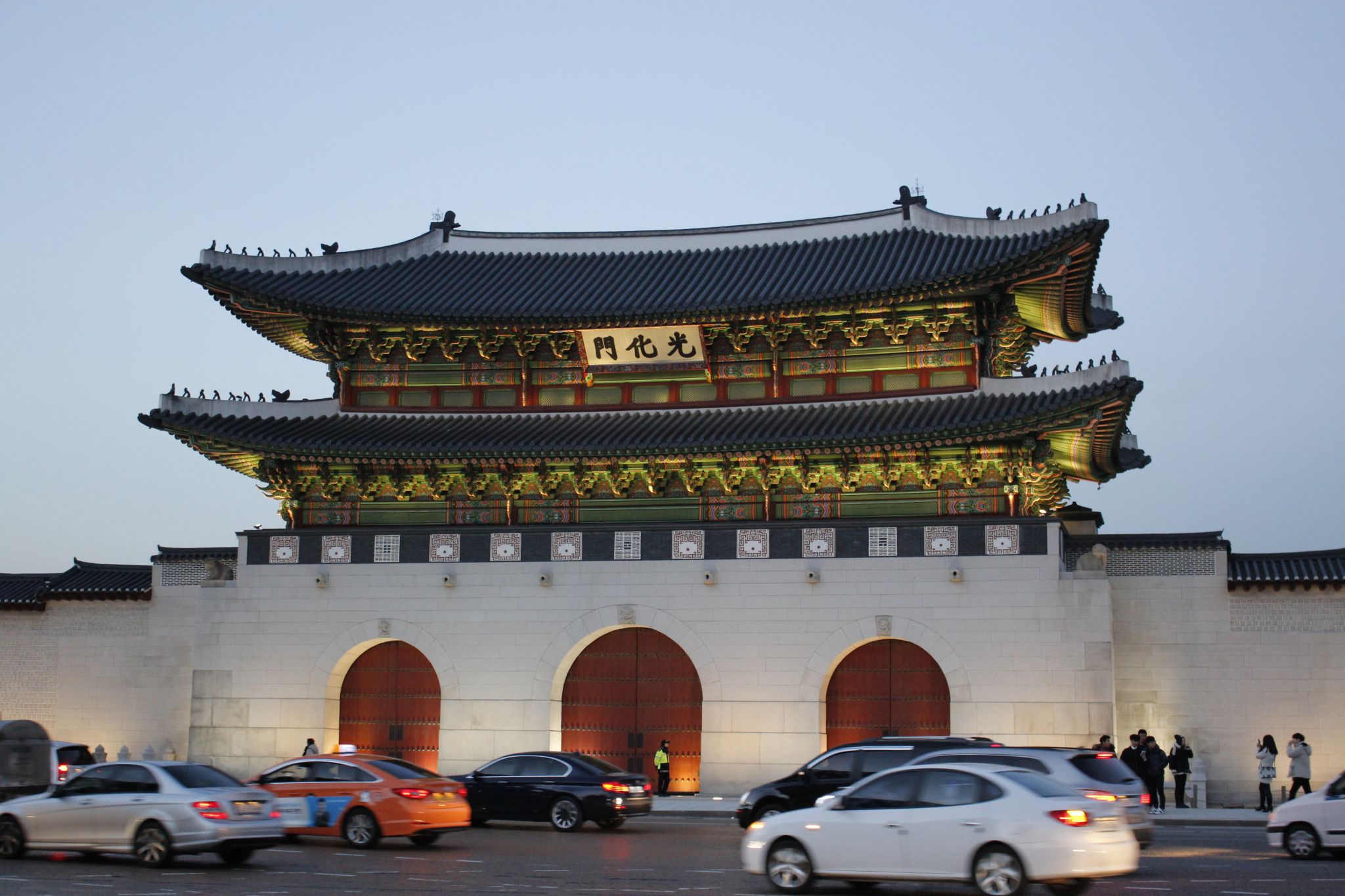
Gwanghwamun (161 Sajik-ro, Sejongno, Jongno-gu, Seoul) — Gwanghwamun is the main and largest gate of Gyeongbokgung Palace, in Jongno-gu, Seoul, South Korea. It is located at a three-way intersection at the northern end of Sejongno Gwanghwamun Gate went through several damages and restorations over the course of history. It was first severely damaged during the […]
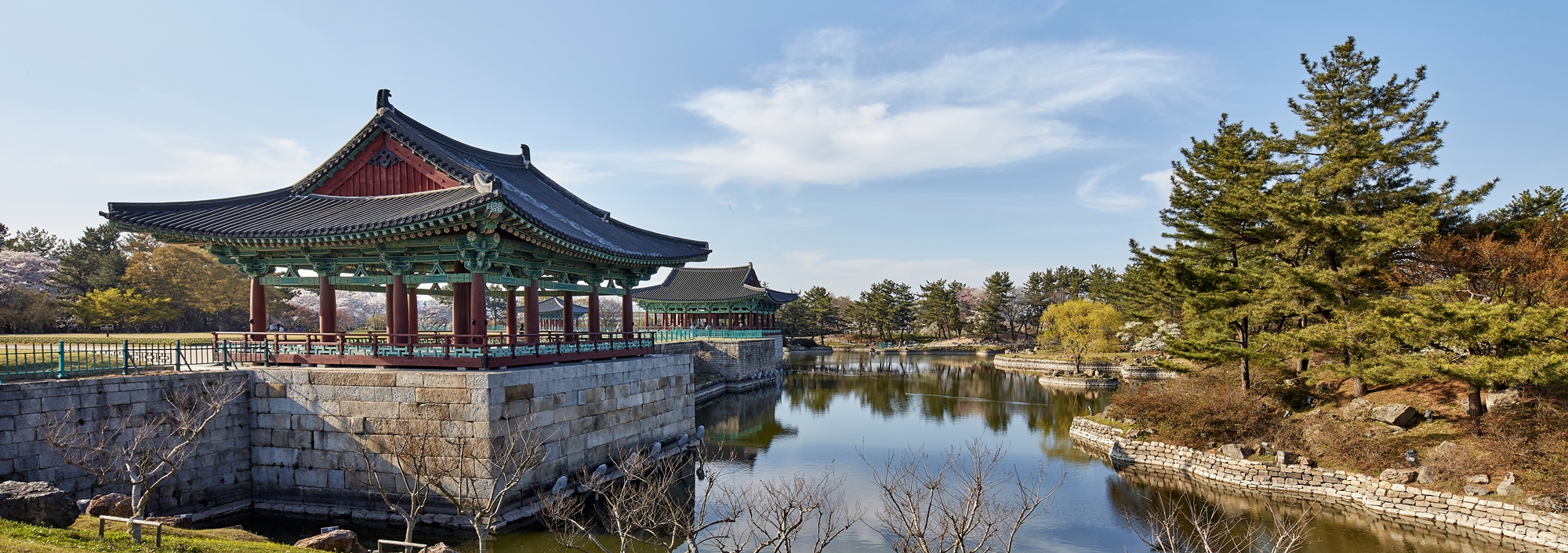
Donggung Palace and Woji Pond (102 Wonhwa-ro, Inwang-dong, Gyeongju, Gyeongsangbuk-do) — Donggung Palace and Wolji Pond, formerly known as Anapji, is an artificial pond in Gyeongju National Park, South Korea. It was part of the palace complex of ancient Silla. It was constructed by order of King Munmu in 674 CE This was the secondary […]
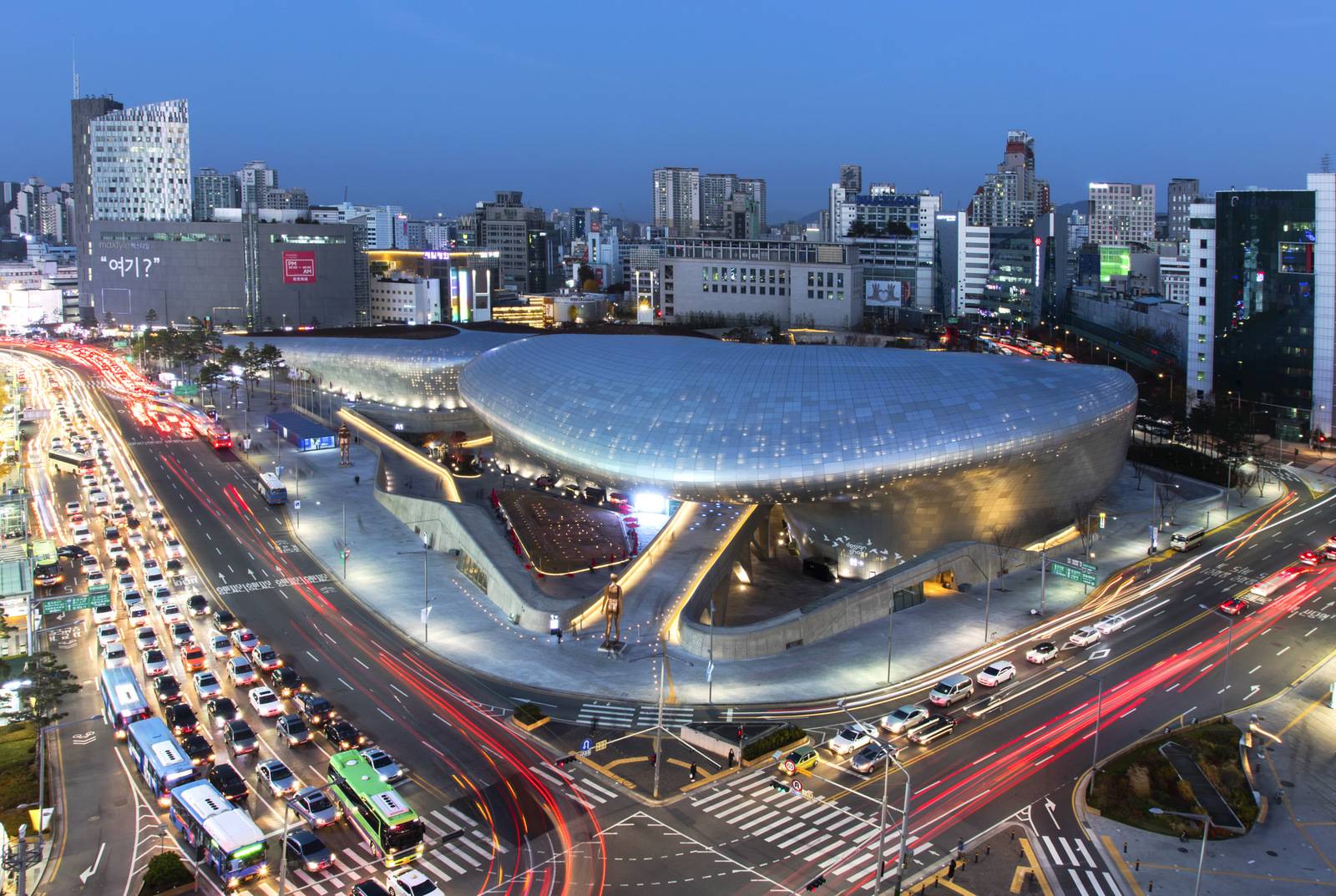
Dongdaemun Design Plaza (281 Eulji-ro, Euljiro 7(chil)-ga, Jung-gu, Seoul) — the Dongdaemun Design Plaza, also called the DDP, is a major urban development landmark in Seoul, South Korea designed by Zaha Hadid and Samoo, with a distinctively neofuturistic design characterized by the “powerful, curving forms of elongated structures Located at the center of the Dongdaemun […]
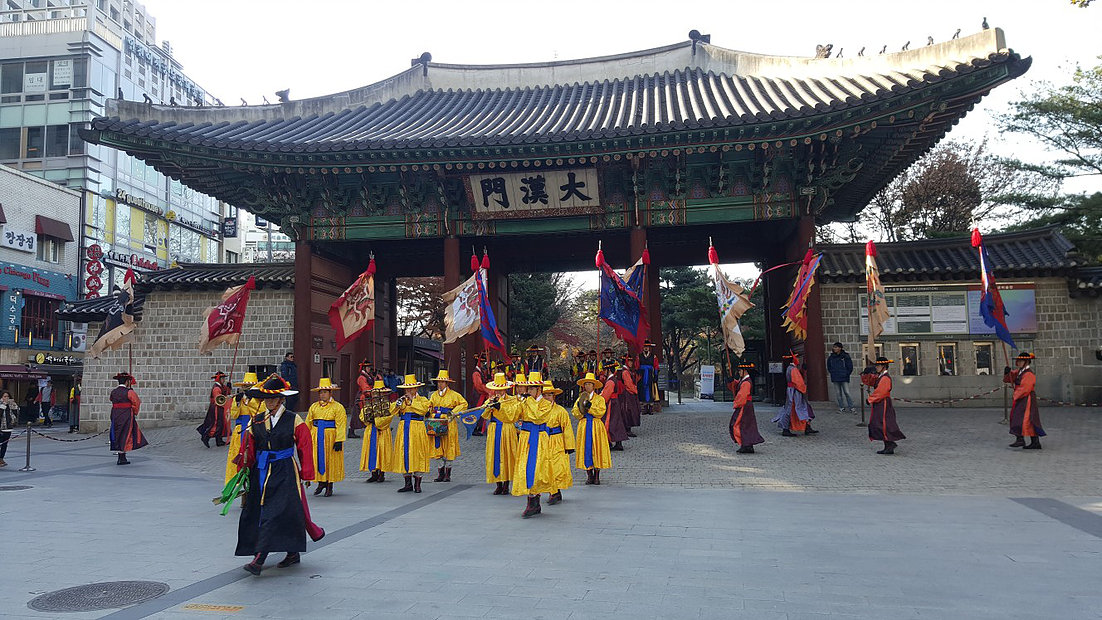
Deoksugung (99 Sejong-daero, Jeong-dong, Jung-gu, Seoul) — Deoksugung, also known as Gyeongun-gung, Deoksugung Palace, or Deoksu Palace, is a walled compound of palaces in Seoul that was inhabited by members of Korea’s royal family during the Joseon monarchy until the annexation of Korea by Japan in 1910. The Changing of the Royal Guard can be […]
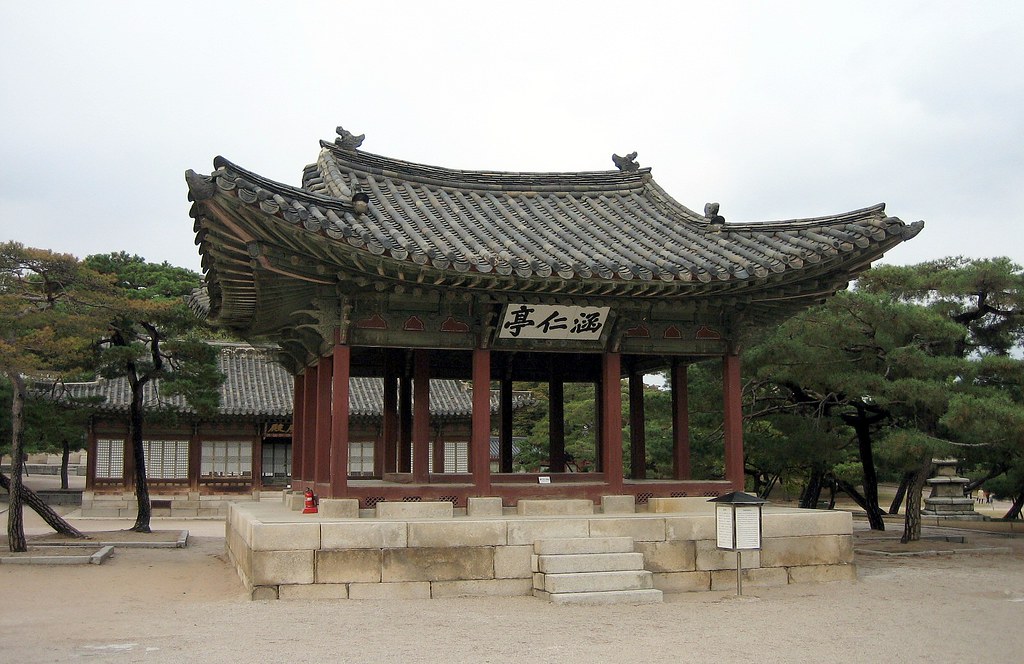
Changgyeonggung Palace (185 Changgyeonggung-ro, Waryong-dong, Jongno-gu, Seoul) — Changgyeong Palace is a palace located in Seoul, South Korea. The palace was built in the mid-15th century by King Sejong for his father, Taejong. It was originally named “Suganggung,” but it was renovated and enlarged in 1483 by King Seongjong, at which time it received its […]