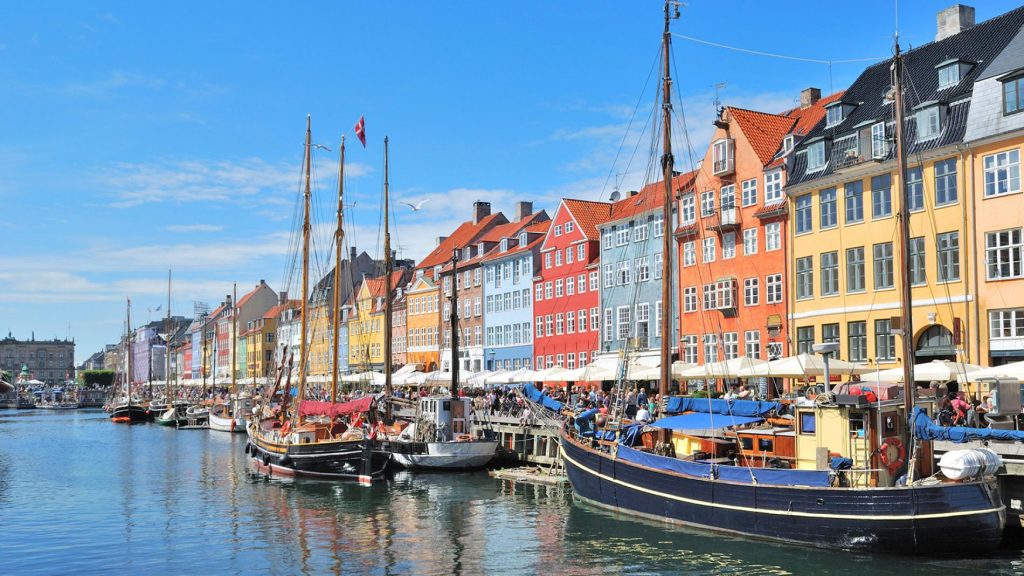
The Kingdom of Denmark, consisting of mainland Denmark, the Faroe Islands, and Greenland, is best remembered by historians for its status as the one-time home of Scandinavia’s Vikings (going as far back as the 8th century AD). The word ‘Denmark’ dates back to the Viking age and is carved on the famous Jelling Stone from […]
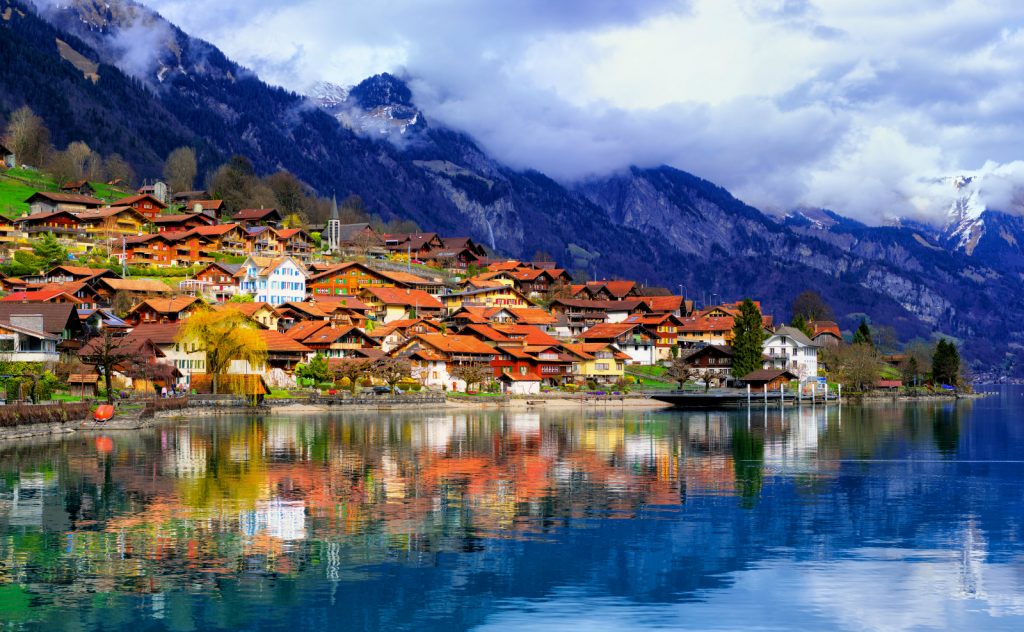
This mountainous nation (where much of the Alps are located) has a history that goes as far back as the Romans, when they occupied the country from 200 BC to 400 AD. The original name of the country (Helvetia) got its original name from the Celtic tribe that lived in the country, and were defeated […]
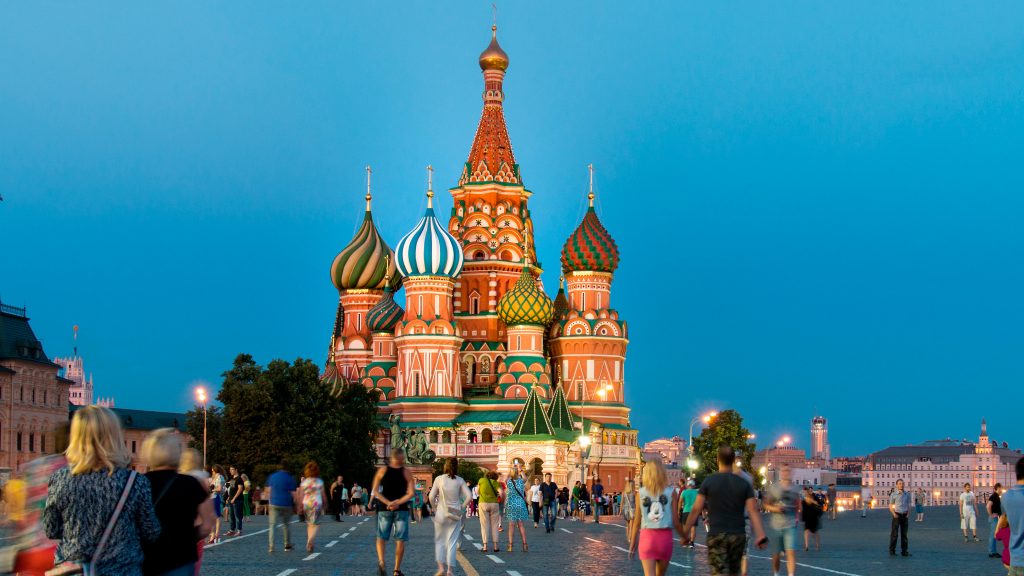
Russia, which takes up vast pieces of land (ranging from Eastern Europe, to Siberia — northeastern Asia) traces its history back to the Slavic tribes that fought over the European portions (around 800 AD, when the Vikings in nearby Scandinavia first came to rise). This, while Russian Asia took notice among historians when Mongol warrior […]
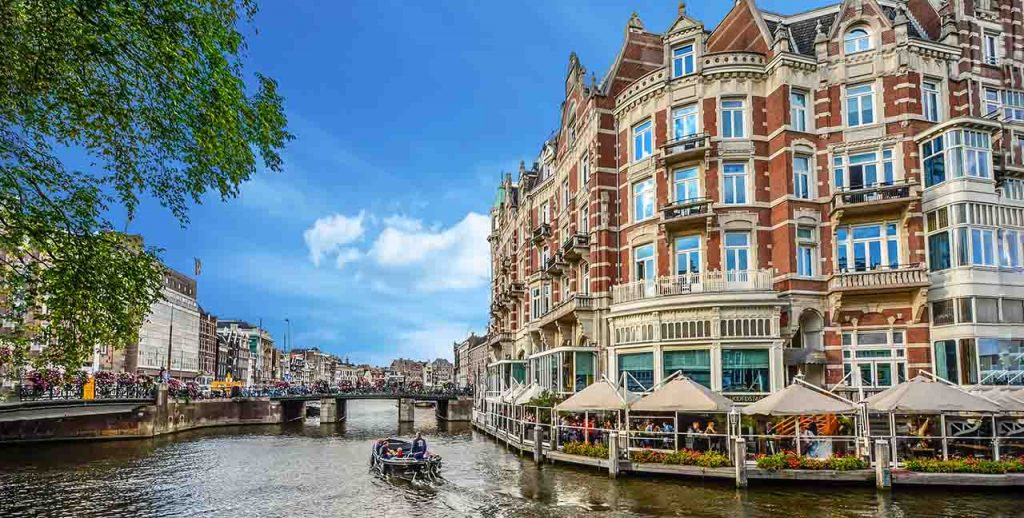
Even though scholars note the history of the Netherlands (a.k.a. Holland) as far back as the days of the Roman Empire (when that country was a far-flung northern outpost), from a visitor’s point of view, the real history of the country started during its Golden Age (17th century). At that time, the Netherlands was a […]
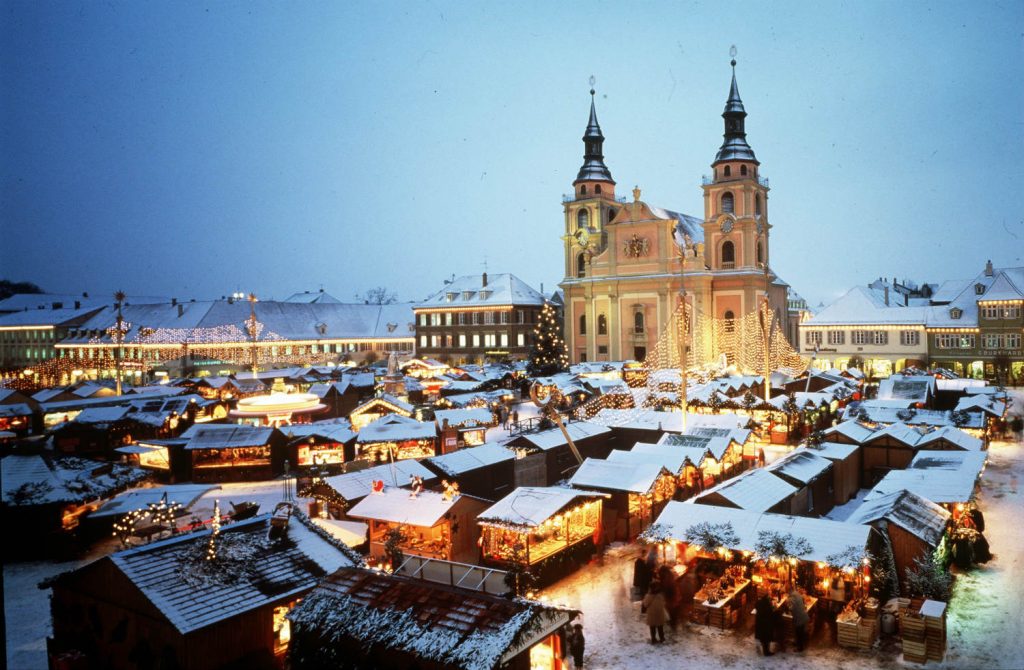
The very name of this country goes back to the Roman period, when Julius Caesar called it “Germania” – a land of barbarian tribes that his empire was unable to conquer (unlike nearby Gaul – modern day France, which he did). During the medieval period, Germany first gained historical prominence when the Holy Roman Empire […]
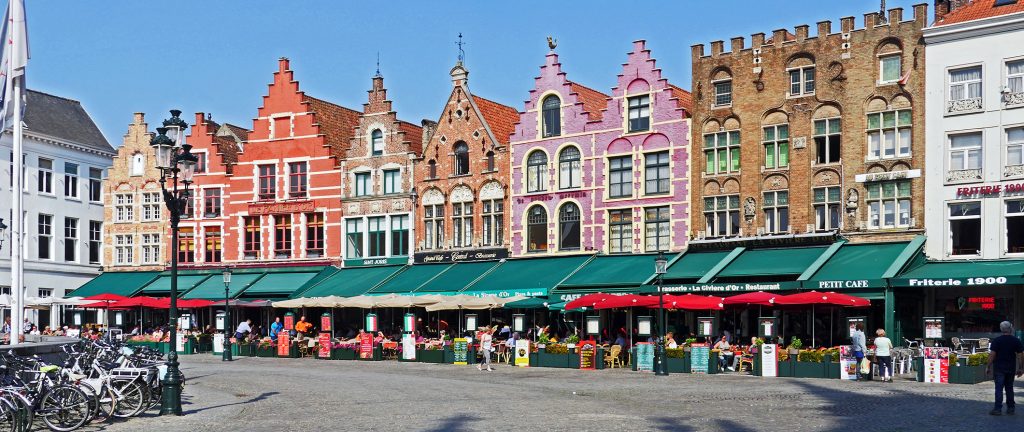
Belgium is located in northwest Europe – sharing borders with France, Netherlands, Germany, and Luxembourg. Even though the country goes as far back as the Roman era, when that empire annexed that country as “Gallia Belgica” (a northern extension of Gaul – ancient France), Belgium as an independent country didn’t actually come into existence until […]

The landlocked country of Austria (bordered by Germany and Czech Republic to the north, Hungary and Slovakia to the east, Slovenia and Italy to the south, and Switzerland & Liechtenstein to the west), is best-known for being one of Europe’s great cultural destinations. With the country now known as Austria being occupied by various Celtic […]
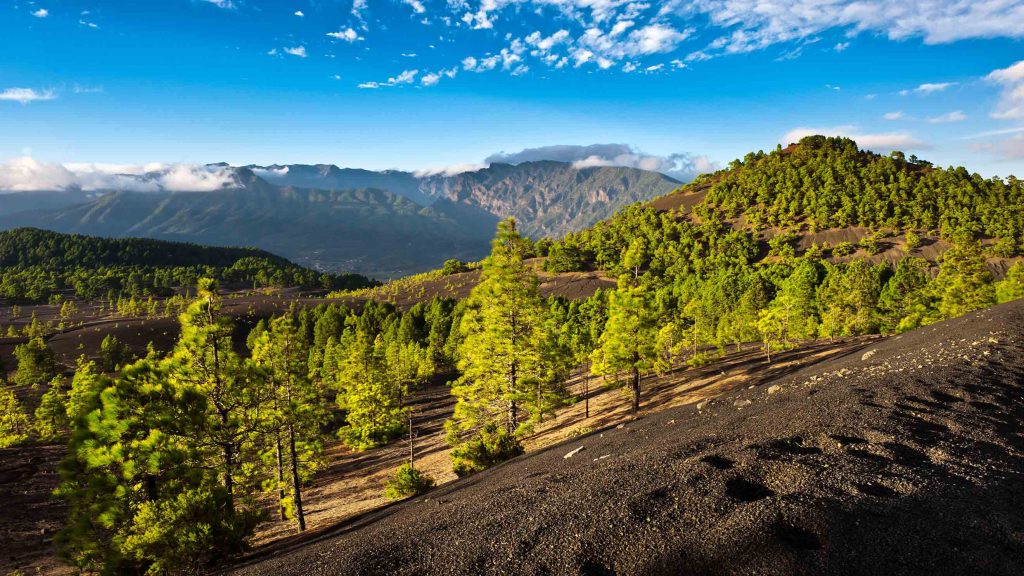
The volcanic island of La Palma is part of the Canary Islands (off the northwest coast of Africa). It’s the fifth largest of these islands, the furthest into the Atlantic Ocean, and a modestly-sizes population of just 86,000 residents. Like the rest of the Canary Islands, La Palma was settled by the Spaniards by the […]
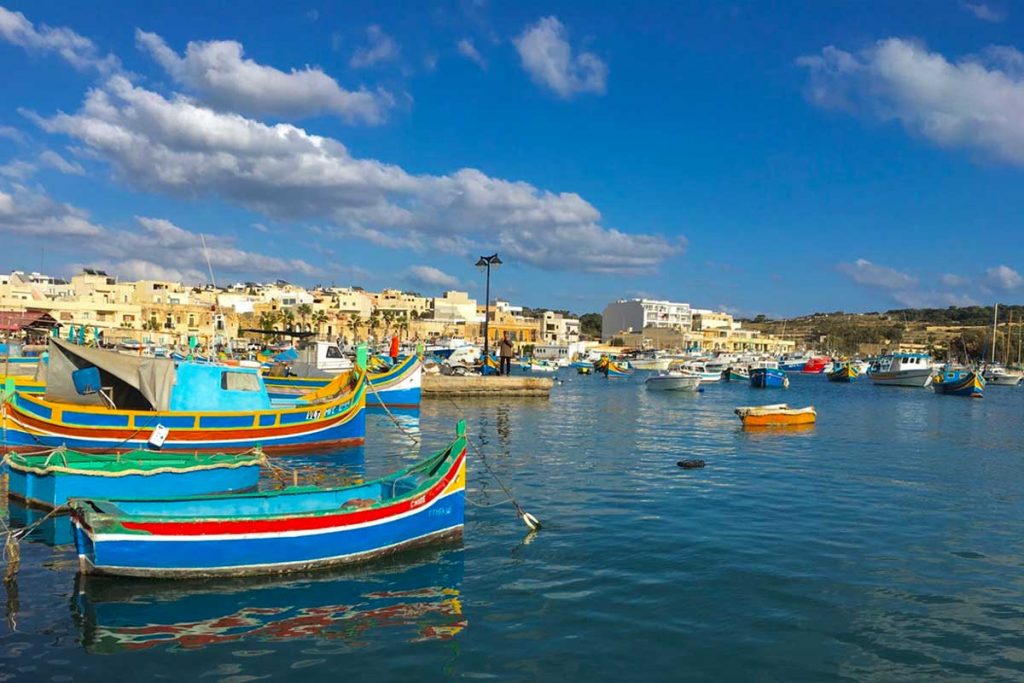
The island republic of Malta is an archipelago of several islands located in the middle of the Mediterranean Sea (the main islands being Malta, Gozo, and Comino). It’s 80 km. south of Sicily, 284 km. east of Tunisia, and 333 km. north of Libya. Because of its location, it has been occupied in one time […]
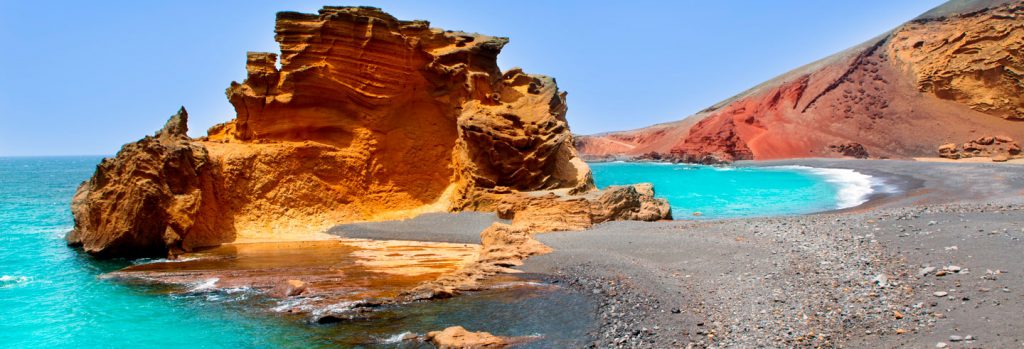
The volcanic island of Lanzarote, one of the Canary Islands (off the northwest coast of Africa), was reputedly discovered by Genoese navigator Lancelotto Malcello in 1312, who named this island after himself. However, it wasn’t settled until the 15th century by the Castilians. Due in part to its distance from mainland Spain (1,000 km) and […]